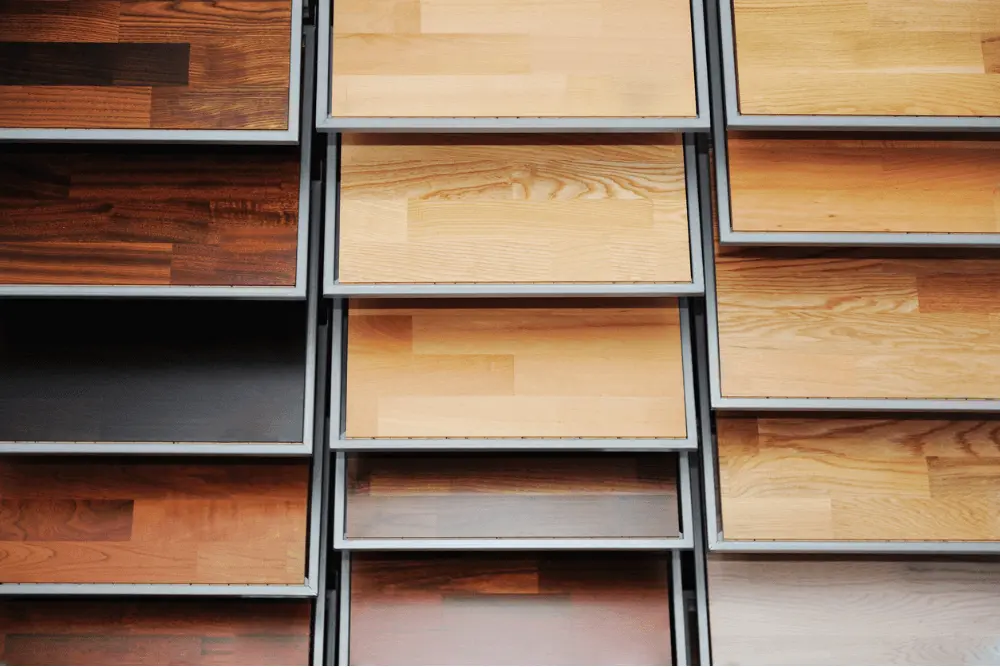
Your choice of flooring impacts the functionality, durability, and style of your space. With so many options available, from hardwood to tile, finding a flooring material fits your needs can feel overwhelming. In this guide, we’ll compare popular materials like hardwood, laminate, vinyl, and tile to help you make the best choice for your home.
Table of Contents
ToggleFactors to Consider When Choosing Residential Flooring
When it comes to choosing flooring materials, there are many things to think about. Before diving into specific materials, it’s important to assess key factors that will influence your decision:
Durability
Can the flooring handle daily wear, foot traffic, and potential pet claws? Tile is known for its strength, while vinyl offers excellent resilience at a lower cost.
Maintenance
Do you prefer low-maintenance options? Vinyl and laminate require minimal care, whereas hardwood may need regular refinishing to maintain its beauty.
Aesthetic Appeal
Does the flooring enhance your home’s design? Hardwood offers timeless elegance, while vinyl and laminate provide versatile, budget-friendly alternatives that mimic wood or stone.
Budget
Consider both the upfront costs and long-term value. Hardwood is an investment that increases home value, while laminate and vinyl offer affordable solutions without sacrificing style.
Room Functionality
Moisture-resistant flooring like vinyl or tile is ideal for kitchens and bathrooms. For bedrooms and living rooms, consider options that add warmth, such as hardwood or laminate.
Weighing Your Flooring Options
There are plenty of flooring materials to choose from, each with their own set of pros and cons. By learning a bit about each one, you can find the one that suits your needs. Let’s dive in!
Hardwood Flooring
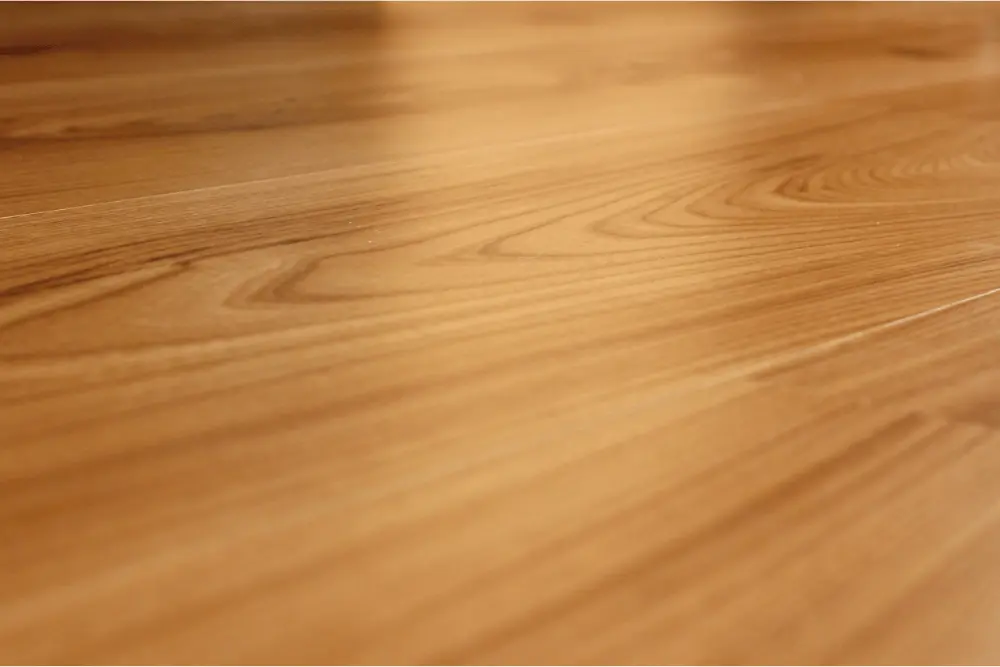
Often referred to as a flooring classic, hardwood flooring has stood the test of time for a good reason. With that said, it’s not perfect. Let’s learn more about its many qualities.
Pros: Hardwood flooring adds timeless beauty to any space. Known for its durability, it can be refinished multiple times, letting it last longer. Hardwood can increase your property value and create a luxurious ambiance.
Cons: Hardwood is vulnerable to scratches and dents, especially in high-traffic areas. It also requires regular maintenance and is less suited for moisture-prone spaces like bathrooms.
Best For: Living rooms, dining rooms, and bedrooms where elegance and long-term value are priorities.
Laminate Flooring
These floors could be called chameleons in the sense that they blend into almost any space because of their various appearances. However, it’s not without its downsides. It’s time to find out more.
Pros: Laminate flooring replicates the look of hardwood at a fraction of the cost. It’s scratch-resistant, easy to install, and perfect for busy households. Modern designs make it a versatile option for various home styles.
Cons: Laminate is not as water-resistant as vinyl or tile, making it less suitable for kitchens or bathrooms. It can’t be refinished like hardwood either.
Best For: Bedrooms and living spaces where affordability and durability are best.
Vinyl Flooring
Consisting of multiple layers, vinyl floors may seem like they do it all. Despite this, there are a few details you should know about before you buy. Here’s more information about this unique flooring material.
Pros: Vinyl flooring is water-resistant and budget-friendly, making it ideal for kitchens, bathrooms, and high-traffic areas. It’s available in various styles, mimicking wood, stone, and tile. Vinyl is also softer underfoot, offering added comfort.
Cons: Vinyl may dent under heavy furniture and is less environmentally friendly due to its synthetic composition.
Best For: Moisture-prone areas like bathrooms, kitchens, and basements where durability and affordability are needed.
Tile Flooring
Tile can be applied to your floors or your walls. Its adaptability certainly shouldn’t be overlooked when you’re shopping around, but be aware of everything before you choose this option. Let’s talk about tile flooring.
Pros: Tile is highly durable and water-resistant, making it ideal for areas with heavy foot traffic. It’s easy to clean and available in a wide range of colors, patterns, and textures, allowing for creative design possibilities.
Cons: Tile can feel cold underfoot and may require professional installation due to its weight and complexity.
Best For: Kitchens, bathrooms, entryways, and other high-traffic or moisture-prone areas.
Natural Stone Flooring
Although the price tag might seem intimidating at first glance, you shouldn’t let that discourage you from purchasing natural stone flooring. Below you can learn more about the advantages and disadvantages of this natural flooring material.
Pros: Stone flooring adds a touch of luxury and natural beauty to any home. Each stone is unique, offering a distinct pattern. It’s highly durable and increases the value of your property.
Cons: Stone can be expensive and may require sealing to protect against stains and moisture.
Best For: High-end designs in kitchens, bathrooms, and living areas.
Find the Floors of Your Dreams in Virginia Beach
Choosing the right flooring material for your Virginia Beach home is about balancing aesthetics, durability, and practicality. Whether you prefer the classic appeal of hardwood, the affordability of laminate, the versatility of vinyl, or the durability of tile, there’s an option to fit every space and budget.
Ready to transform your home? Visit Artistic Flooring’s Virginia Beach showroom to explore our wide range of residential flooring options. Contact us today for all your flooring needs!